
What Contractors Should Consider When Looking for Gravel for Sale
Gravel and aggregate may look straightforward, but the material selected for a construction project can affect compaction, drainage, load support, scheduling, and overall jobsite efficiency. Contractors purchasing bulk material need more than an attractive price. They need to know whether the product matches the project specifications and whether the supplier can provide consistent material when it is needed.
At Metropolitan Concrete Recycle, LLC, we produce recycled concrete aggregate for contractors, municipalities, developers, and other customers throughout the Kansas City metropolitan area. Before choosing gravel for sale, contractors should evaluate the application, material specifications, quantity, delivery needs, and supplier capabilities so the aggregate supports the work instead of creating avoidable problems later.
Match the Material to the Project Application
The first question is not simply how much gravel is needed. Contractors should determine what the material is expected to do. Aggregate used beneath a roadway or parking area has different performance requirements from material used for pipe bedding, drainage, soil stabilization, or general fill.
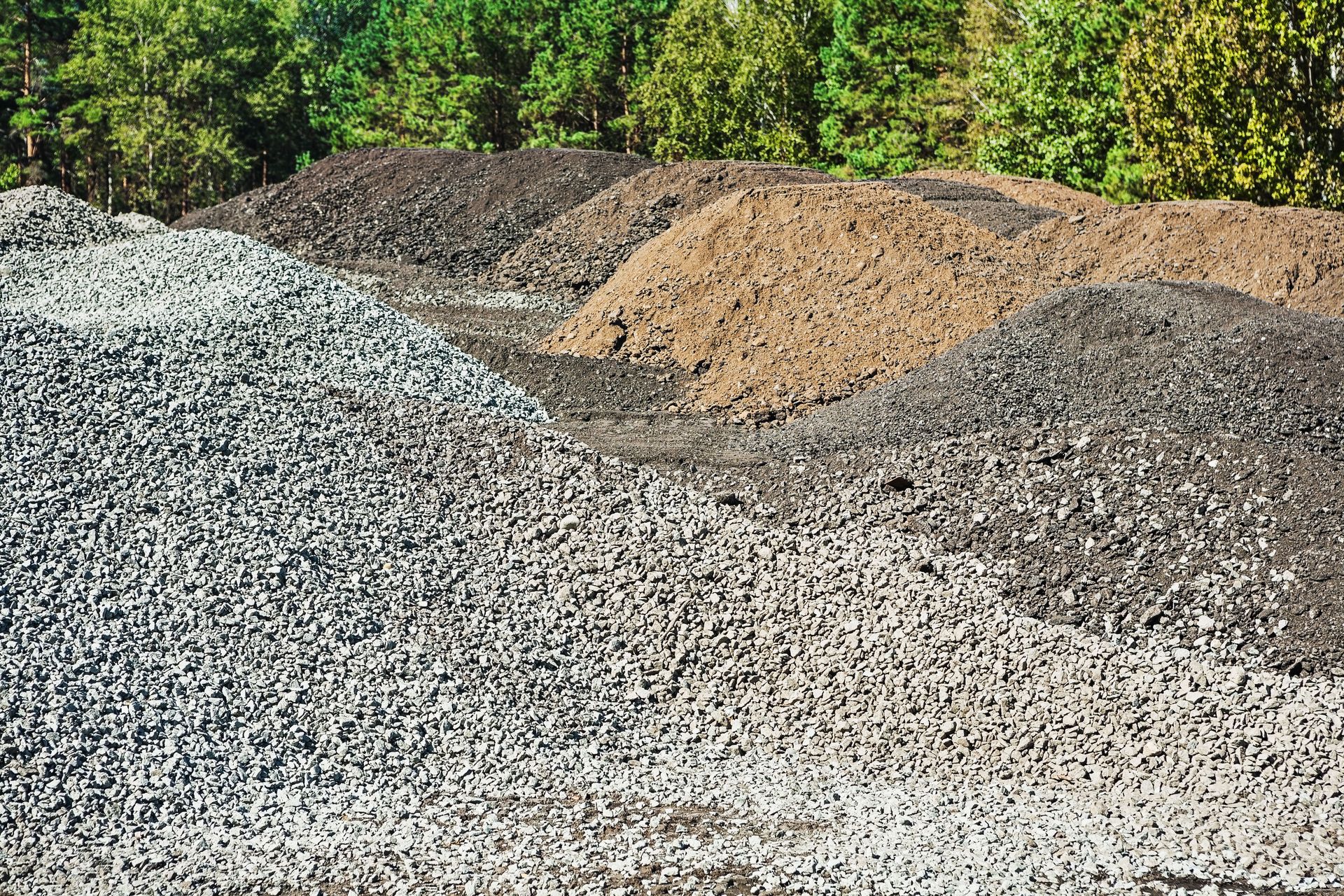
Metropolitan Concrete Recycle produces recycled concrete aggregate for applications including road base, driveways, parking areas, groundwork, soil stabilization, and pipe bedding. We also offer base rock or AB3, screened rock, dust or fines, and other processed materials.
Starting with the intended use helps narrow the options before price, delivery, or availability are compared.
Confirm Gradation and Project Specifications
Aggregate size distribution can affect how material compacts, drains, and performs under load. Some applications require a well-graded blend containing multiple particle sizes, while others call for cleaner rock with fewer fines. Contractors should review plans, engineering specifications, and municipal or project requirements before ordering.
MCR screens processed concrete into appropriate sizes and offers custom crushing that can be tailored to individual project specifications. This is useful when a standard pile does not match the gradation required for the job.
When requesting gravel for sale, provide the supplier with the product designation, gradation, quantity, and any applicable specification instead of relying only on a general description of the project.
Consider Compaction and Load-Bearing Needs
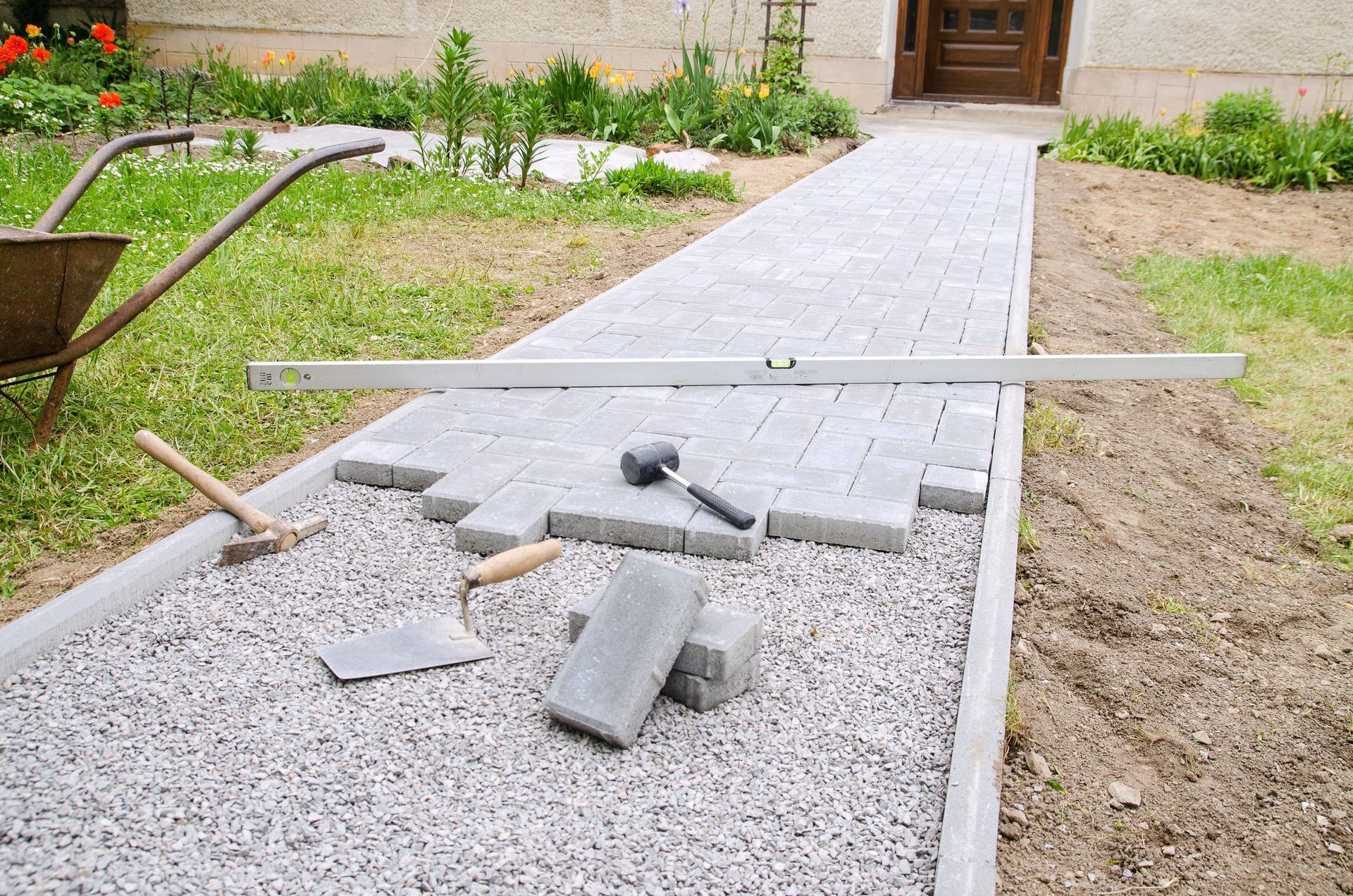
Base material has to provide a stable foundation for whatever will be built above it. Roads, parking lots, construction entrances, and other high-traffic areas may need aggregate that compacts firmly and resists movement under repeated loads.
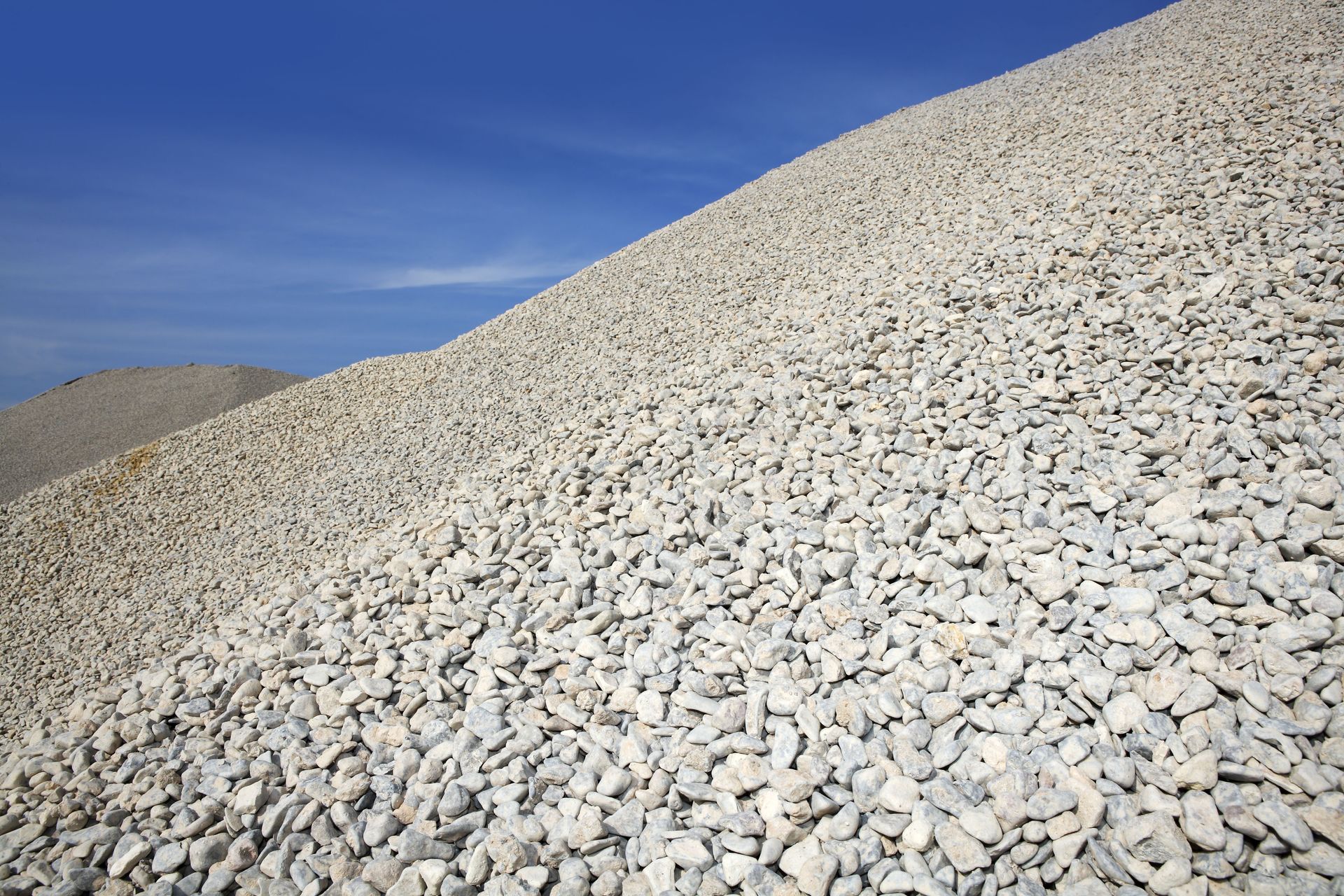
Recycled concrete aggregate contains angular particles that can lock together when properly placed and compacted. Fine material within certain base products can also help fill voids and create a dense layer. The correct product depends on the specified pavement structure, subgrade, traffic, and installation method.
Contractors should avoid assuming that every aggregate performs the same simply because the pieces appear similar. Material selection should follow the design requirements for the finished project.
Evaluate Drainage Requirements Separately
Good compaction is not always the same as good drainage. A dense base with fines may be appropriate beneath certain paved areas, while drainage applications may require cleaner stone that allows water to move through the material more readily.
That distinction matters for French drains, pipe bedding, retaining-wall backfill, and other areas where water movement is part of the design. Using material with too many fines can reduce permeability, while choosing open-graded material for a location that requires a compacted structural base may create a different problem.
Before buying gravel for sale, contractors should identify whether the priority is drainage, structural support, or a combination established by the project specifications.
Compare Recycled Aggregate With Virgin Material
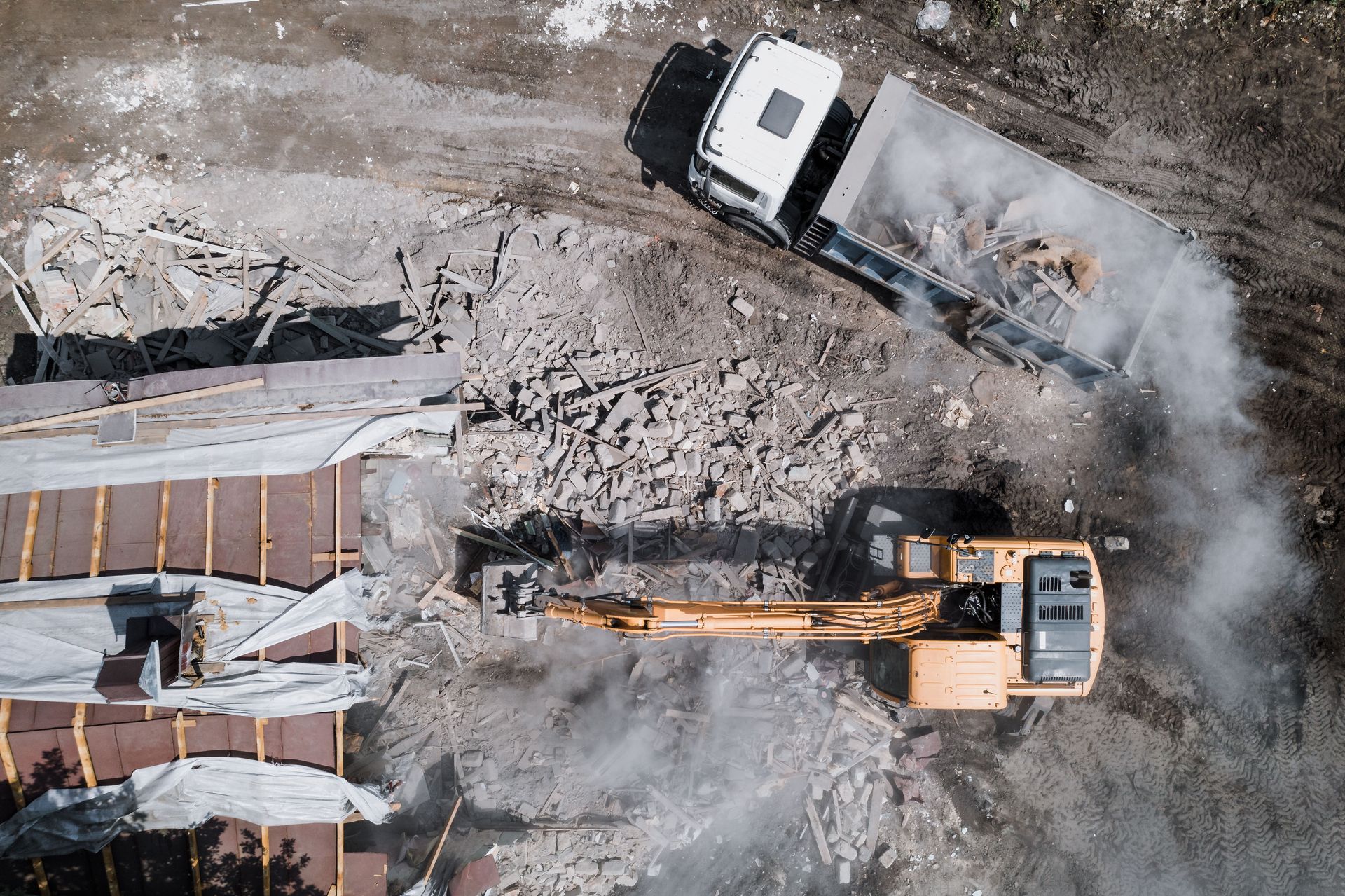
Recycled concrete aggregate gives contractors another option when a project does not require newly quarried stone. MCR accepts concrete from demolition, removes reinforcing steel during processing, crushes the concrete, and screens the resulting aggregate for reuse in construction.
According to the U.S. Geological Survey, approximately 37 million metric tons of recycled crushed-stone material were accounted for in the U.S. aggregates market. That volume shows that recycled material is already a meaningful part of the national crushed-stone supply.
For appropriate applications, using recycled aggregate can reduce demand for virgin stone and keep concrete debris out of landfills. Contractors should still verify that the recycled material meets the specifications and performance requirements of the individual project.
Ask How Material Quality Is Controlled
Consistency matters when multiple loads will be delivered over the course of a project. Significant variation in gradation, contamination, or moisture can complicate placement and make it harder for crews to achieve the specified finished condition.
MCR states that its recycled concrete aggregate is processed for consistent quality and undergoes testing to help ensure it meets applicable strength and durability standards. Our on-site crushing capabilities also allow us to adjust products to meet project needs.
A contractor comparing gravel for sale should ask how material is processed, screened, tested, and kept consistent between loads. Those questions can be as important as the quoted price per ton.
Calculate Quantity Before Scheduling Trucks
Accurate quantity estimates help contractors control cost and keep production moving. Reliable gravel for sale should also be available in the volume the schedule requires. Ordering too little can leave crews waiting for another delivery, while excessive material may create unnecessary hauling, stockpiling, and disposal challenges.
Calculate the area, planned depth, compaction requirements, and expected waste or grade adjustments before finalizing the order. The conversion between volume and weight can vary depending on the material, so confirm how the supplier sells and loads the product.
For larger projects, contractors may also want to coordinate staged deliveries rather than placing the entire quantity on site at once. This can reduce congestion and keep stockpiles from interfering with other work.
Factor Hauling Distance Into the True Cost
The material price is only one part of aggregate cost. Hauling distance, truck time, fuel, loading, delivery charges, and crew delays can influence the real cost of getting aggregate onto the jobsite.
Metropolitan Concrete Recycle operates seven locations around the Kansas City metropolitan area and offers aggregate delivery. Multiple facilities can help contractors source material closer to a project and reduce unnecessary travel compared with hauling from a distant yard.
When comparing suppliers, evaluate the delivered cost and likely turnaround time, not only the price of the gravel at the yard. A slightly different material price may be offset by more efficient logistics.
Plan Jobsite Access and Delivery Logistics
Even the correct aggregate can create delays if trucks cannot enter, unload, or cycle through the site efficiently. Contractors should identify the delivery entrance, dump location, ground conditions, overhead obstructions, turning space, and traffic-control requirements before trucks begin arriving.
Useful questions to review include:
- Truck access: Confirm that delivery vehicles can safely reach the unloading area.
- Stockpile location: Choose a location that will not block equipment, drainage, or later construction phases.
- Delivery sequence: Coordinate loads with grading and compaction crews so material does not arrive too early or too late.
- Load size: Match truck configuration to site access and the amount of material needed.
- Weather: Consider whether rain or soft ground could restrict hauling or placement.
Clear communication with the supplier before delivery can prevent avoidable jobsite downtime.
Choose a Supplier That Can Support the Entire Project
Contractors often need more than a single load. Large projects may require dependable inventory, custom gradations, repeated deliveries, quick quotes, and communication when schedules change. Supplier reliability becomes part of project planning.
Metropolitan Concrete Recycle, LLC has served the Kansas City area since 2011. We operate seven regional locations, provide custom RCA crushing, offer aggregate pickup and delivery, and supply base rock or AB3, screened rock, dust or fines, topsoil, and recycled concrete aggregate. Free quotes are available, with quotes typically provided within 24 hours.
If your next construction project requires
gravel for sale, contact Metropolitan Concrete Recycle, LLC. Our team can help you identify the appropriate recycled aggregate, review project specifications, coordinate quantity and delivery needs, and provide dependable material from a location convenient to your jobsite.
Share On: