
The Economic Benefits of Concrete Recycling
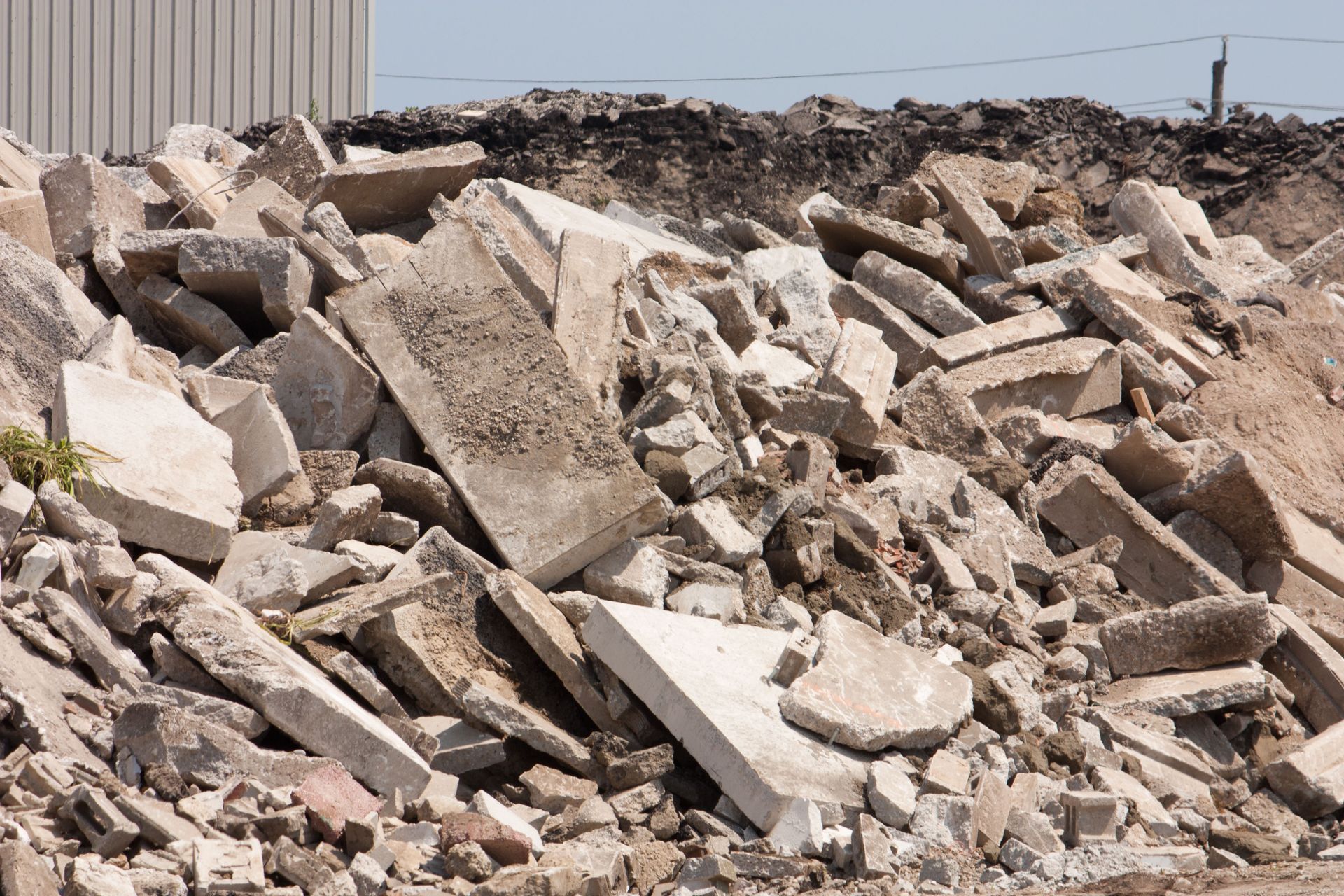
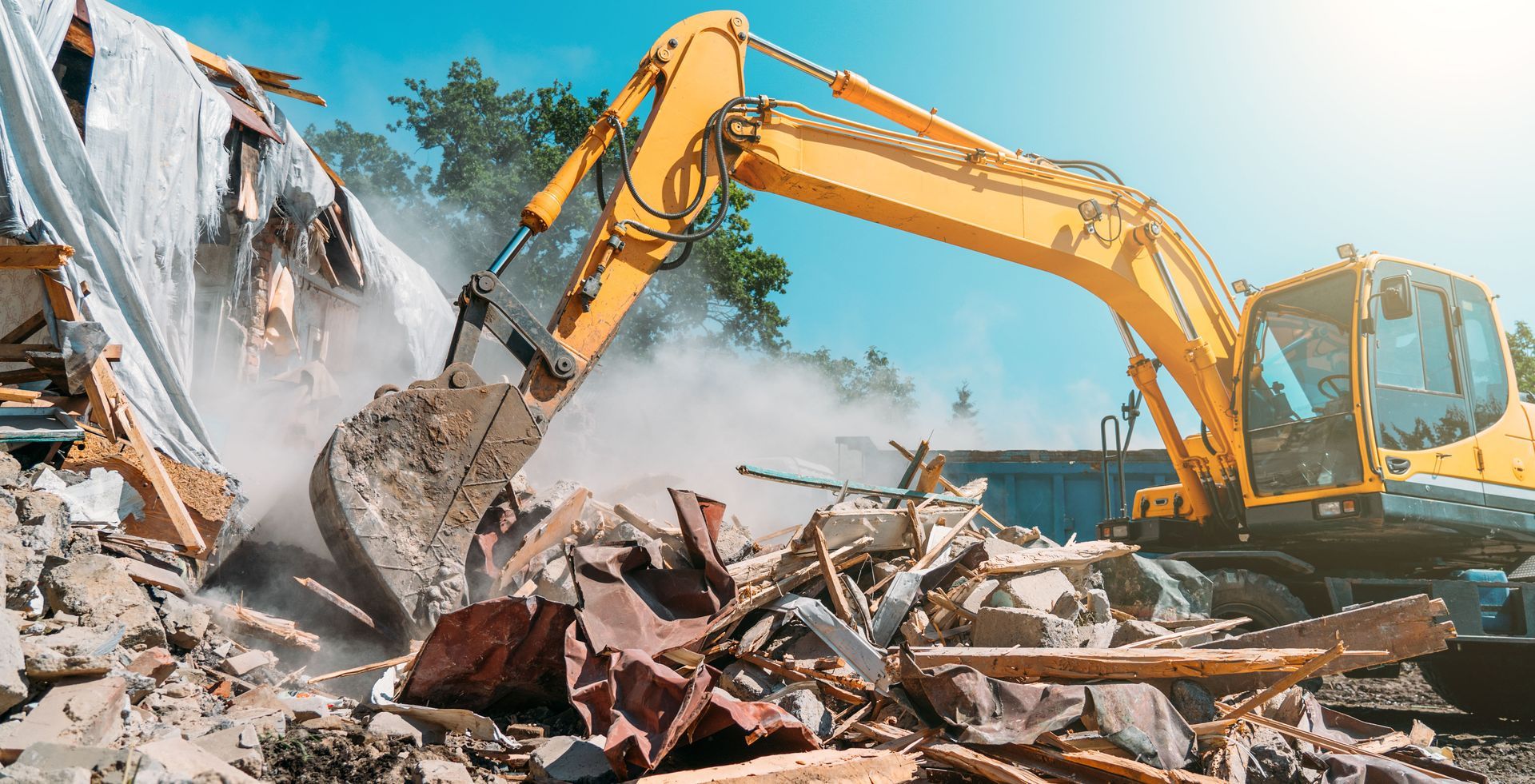
As we continue to search for sustainable solutions in the construction industry, concrete recycling has emerged as a beneficial practice both environmentally and economically. With the construction sector generating immense amounts of waste, there is a pressing need for concrete disposal services to recycle materials that would otherwise end up in landfills. Concrete recycling not only conserves natural resources but also offers considerable economic benefits. Let's explore how this innovative practice impacts the economy favorably.
Reducing Landfill Costs Through Concrete Recycling
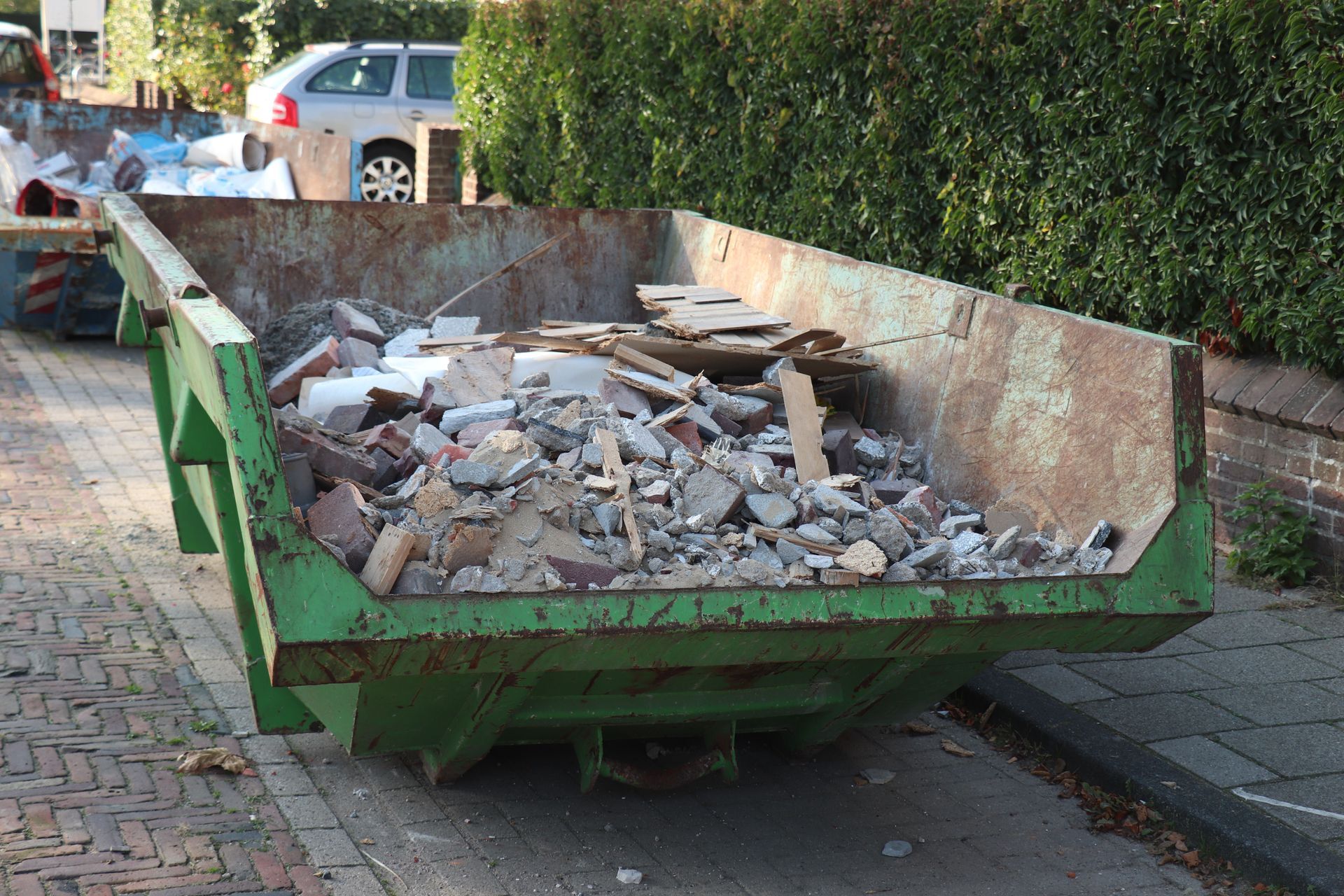
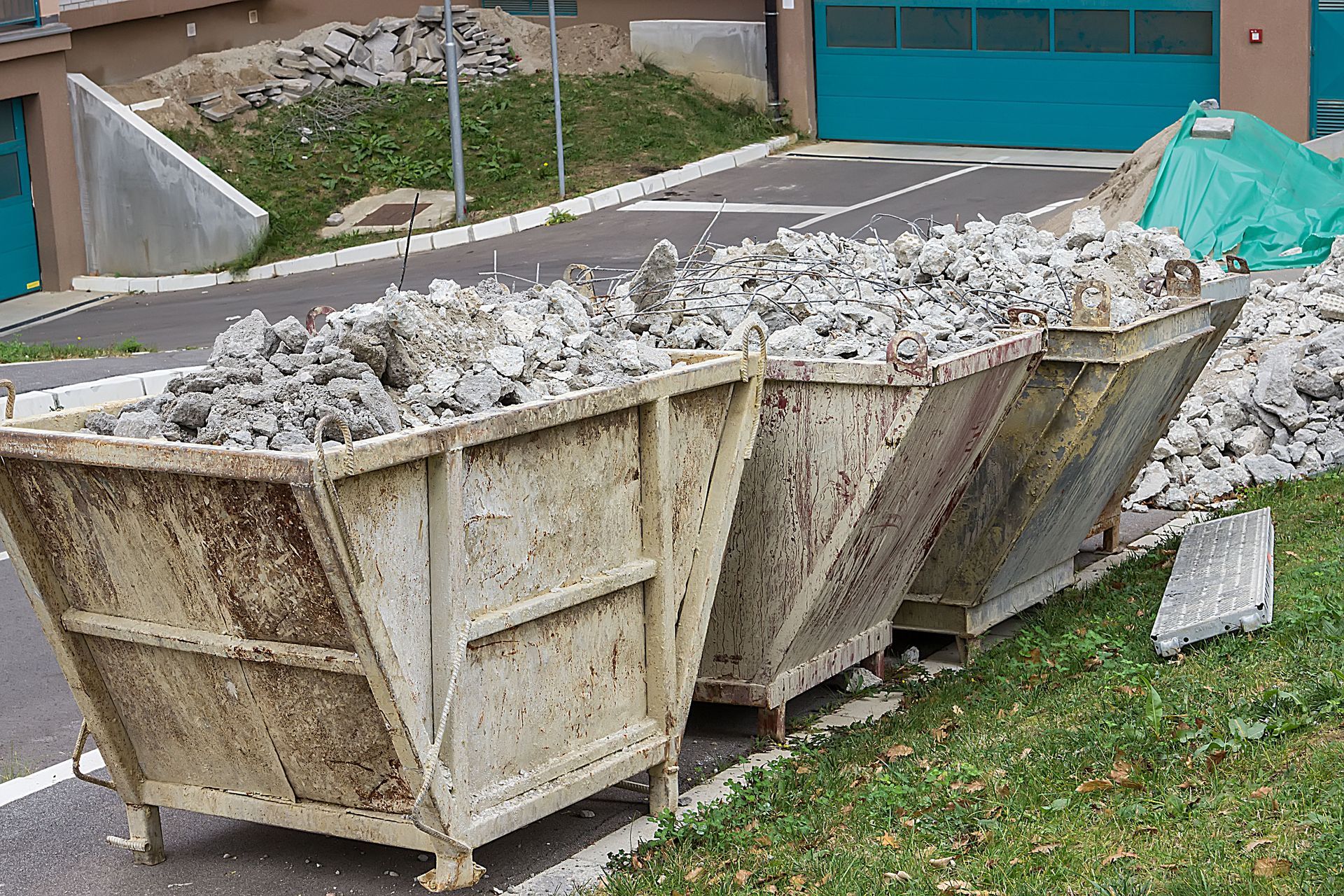
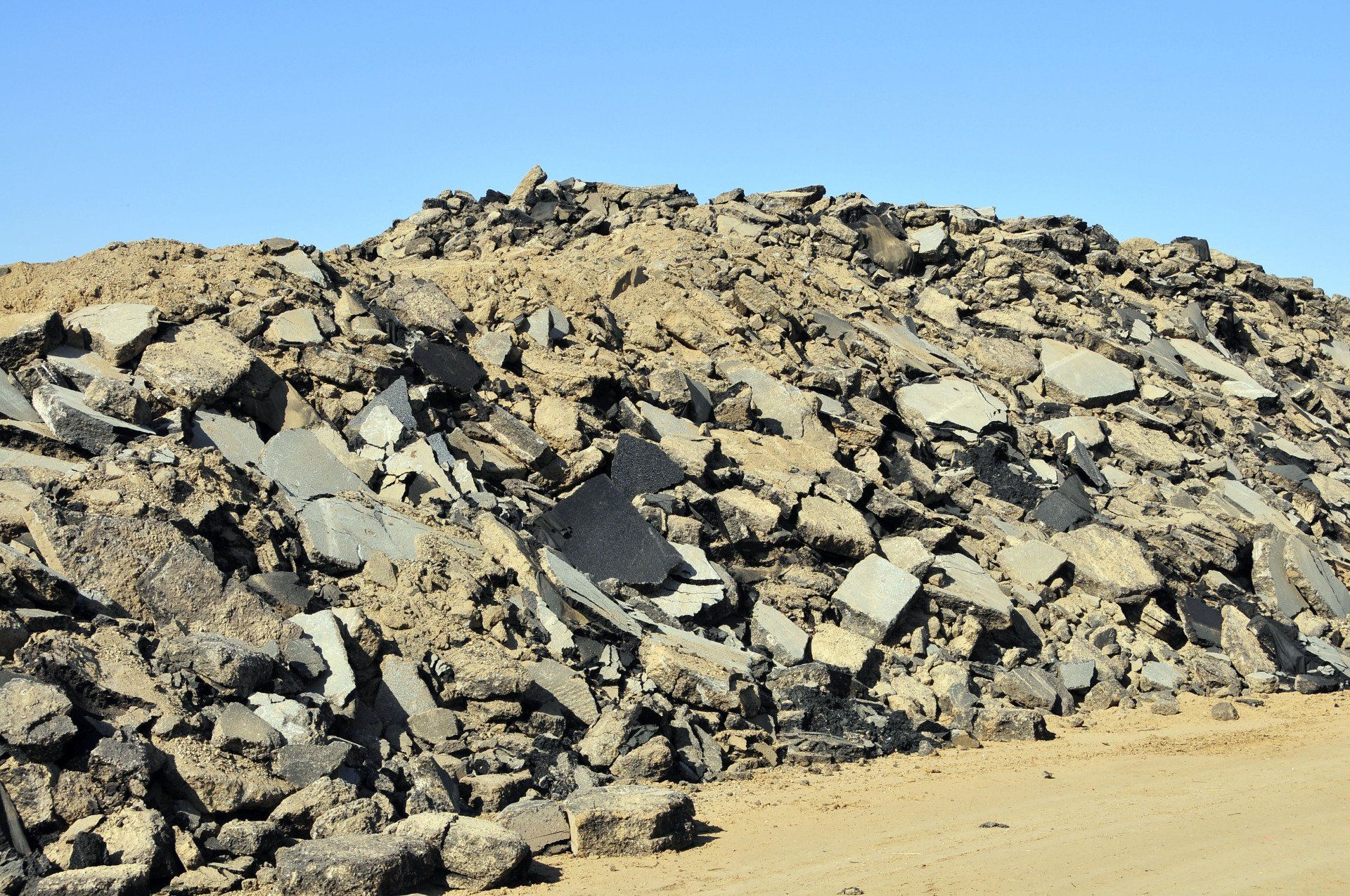
Recycling concrete helps in reducing landfill usage, which is a significant economic advantage. By diverting concrete waste from landfills, recycling initiatives save both landfill space and associated costs. As these costs can quickly accumulate with large construction projects, recycling offers an opportunity for substantial cost savings. Furthermore, reduced demand for landfill space contributes to less pressure on municipal budgets, which can be allocated to more urgent community needs.
Creating Economic Opportunities With Recycling Initiatives
The practice of concrete recycling stimulates the economy by generating new employment opportunities. The recycling process requires a skilled workforce to manage the collection, sorting, and processing of materials. This demand for labor helps boost local economies by providing jobs in communities across the country. As more businesses invest in recycling facilities and technologies, the sector not only grows but also sparks innovation within the construction industry, leading to more cost-effective building practices.
Lowering Material and Transportation Expenses for Construction
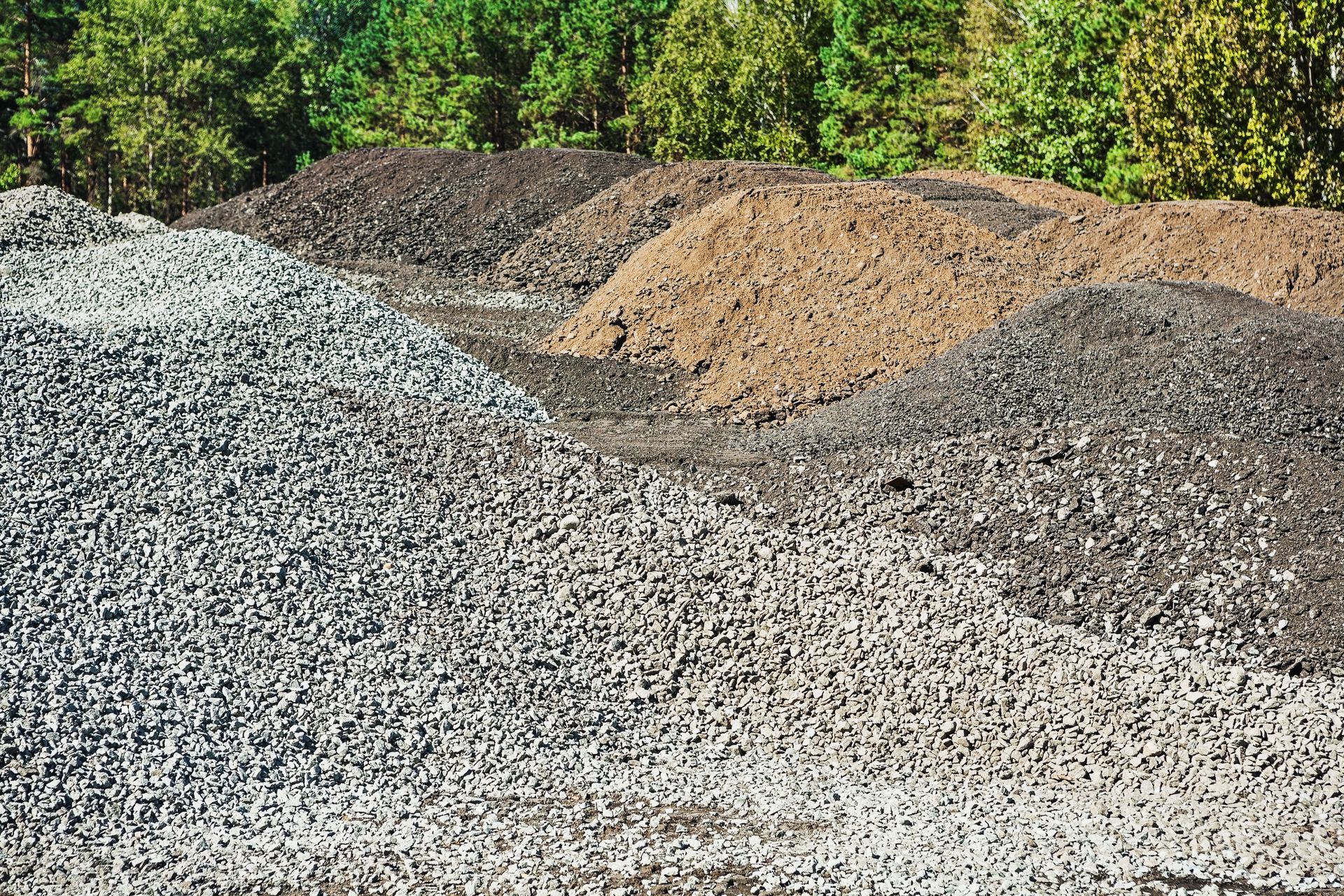
Recycling concrete can greatly reduce material and transportation costs for construction projects. Sourcing recycled concrete aggregate (RCA) locally lowers expenses associated with purchasing and hauling new materials. According to House Grail, the cost of producing one ton of recycled concrete aggregate is 40% less compared to producing natural concrete aggregate, making it a highly cost-effective option. By using RCA, developers not only save money but also reduce fuel consumption and carbon emissions, boosting both their competitiveness and sustainability.
The economic benefits of concrete recycling are evident. It reduces landfill costs, stimulates job creation, and slashes material expenses. As more companies recognize these advantages, the adoption of concrete disposal services focusing on recycling will likely increase, bringing further economic and environmental benefits. Embracing recycling practices is a crucial step forward for both sustainable development and economic growth in the construction industry. For responsible concrete disposal, contact Metropolitan Concrete Recycle.



Share On: