
Everything You Need to Know About Concrete Recycling
Concrete recycling is an increasingly popular method of reusing old building materials in modern construction projects. As environmental concerns and sustainability become top priorities in the construction industry, finding ways to efficiently and effectively recycle materials has never been more important. In this blog post, we'll explore the process of concrete recycling, its benefits, and its role in reducing waste in the ever-growing construction sector.
Process
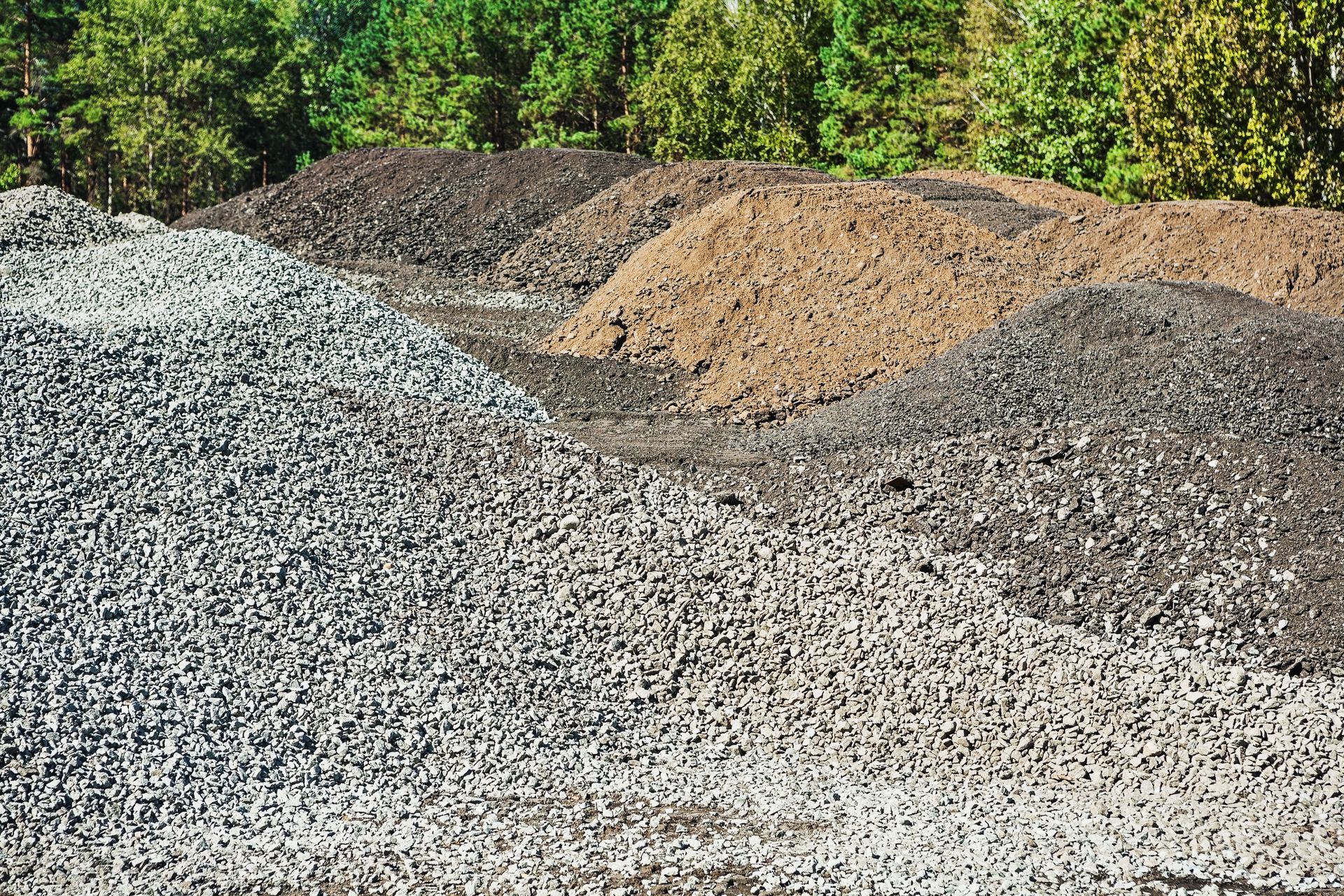
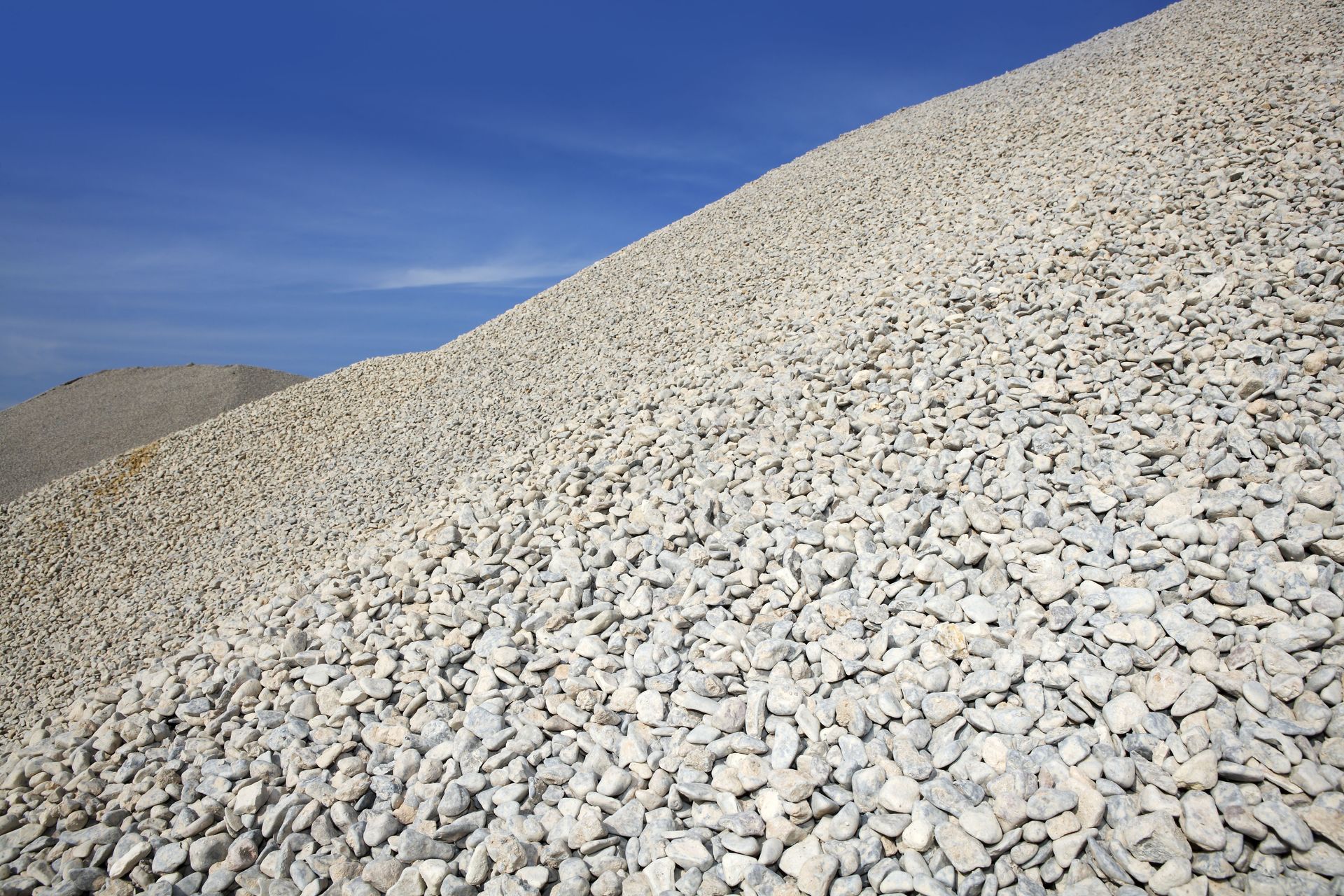
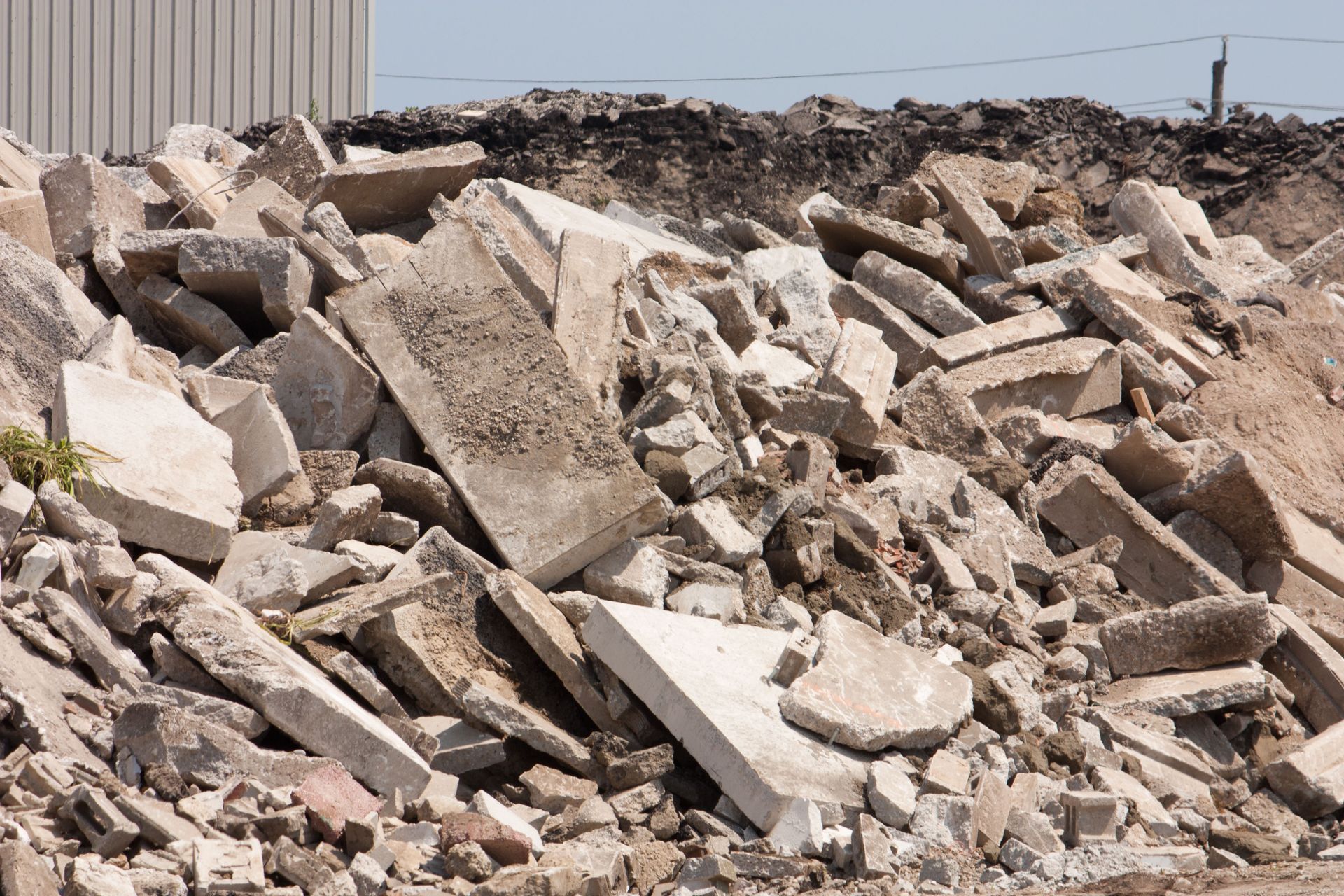
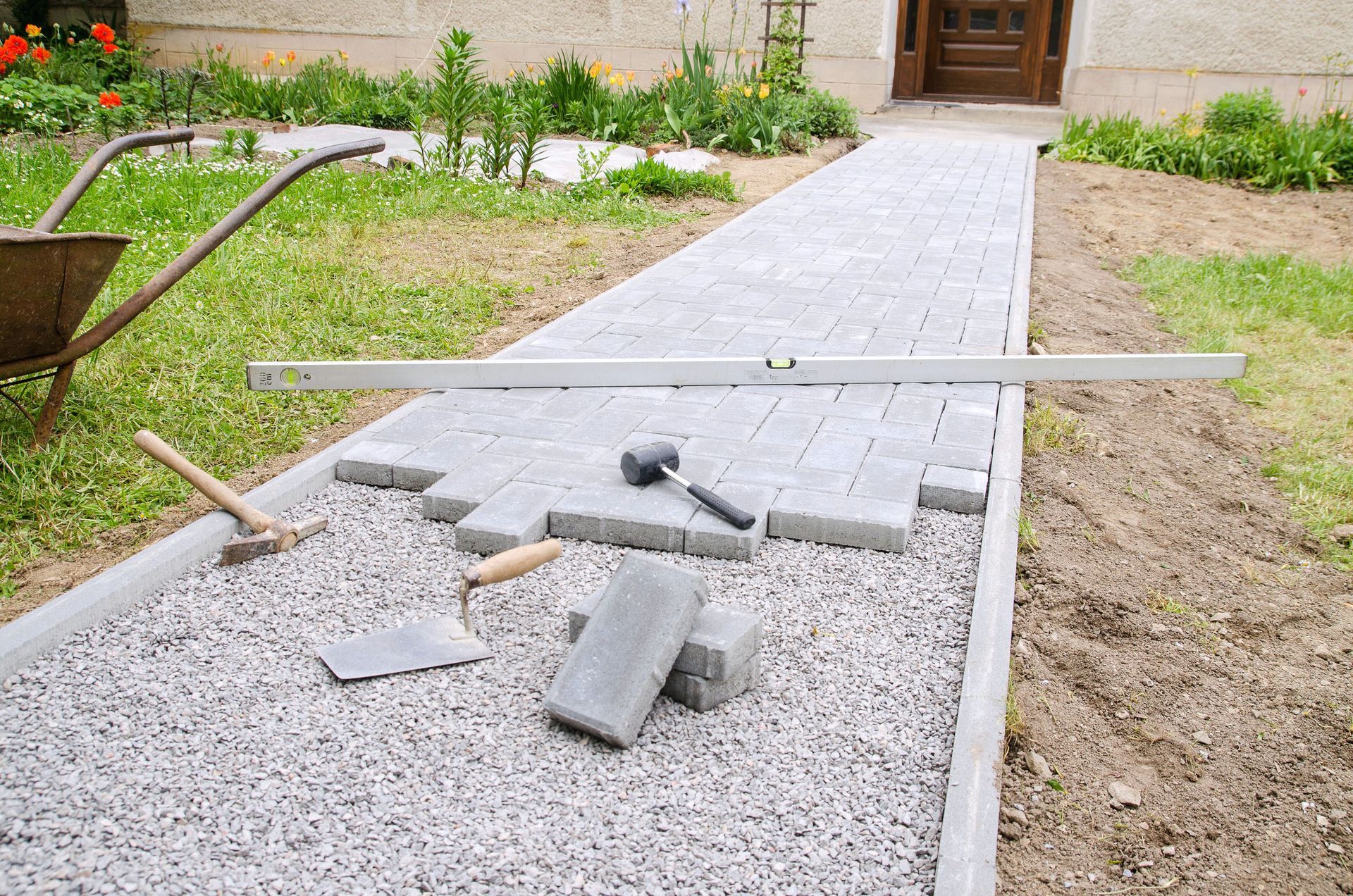
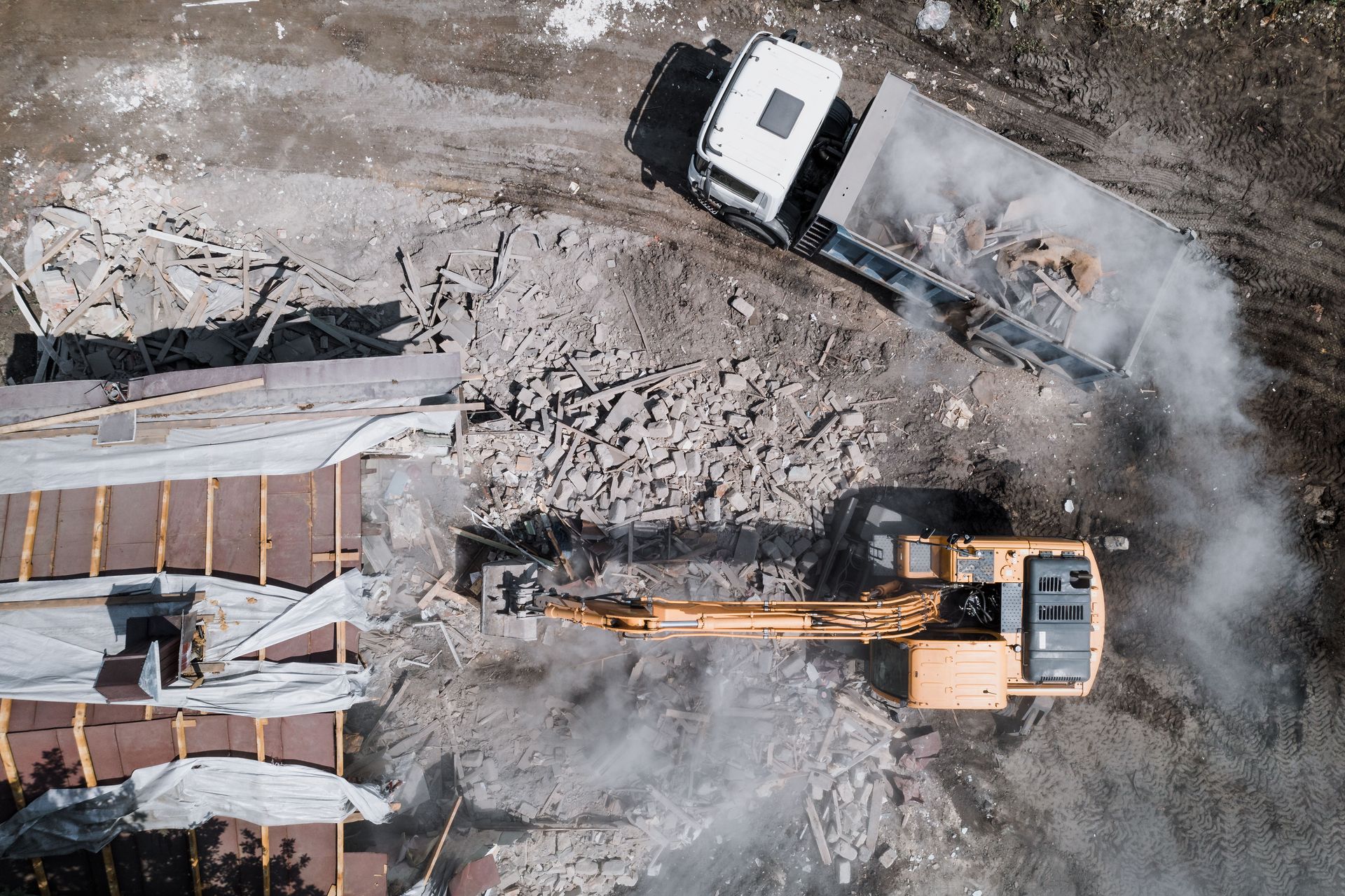
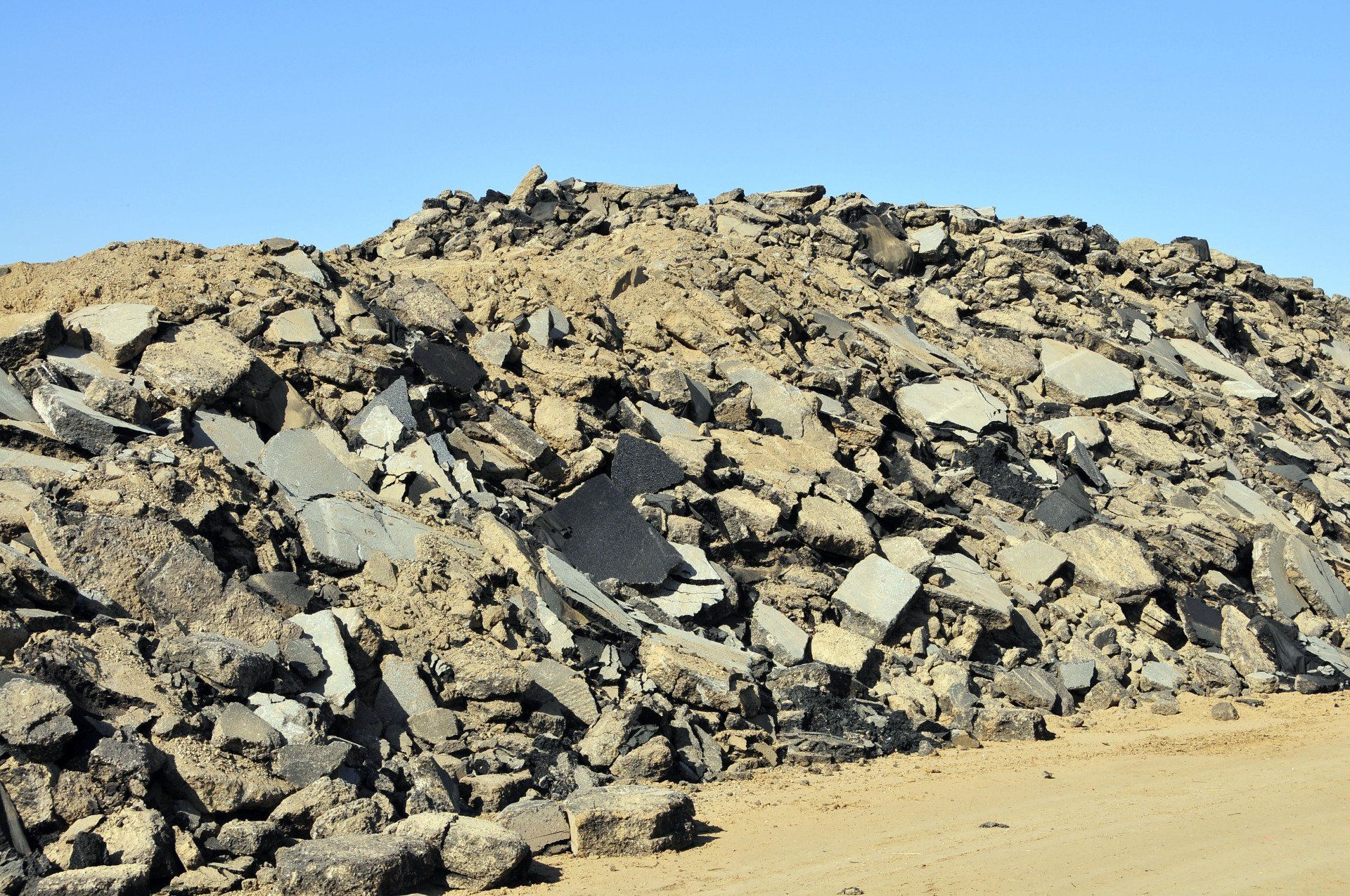
Recycling concrete begins with the process known as 'crushing,' which reduces used concrete to small, manageable pieces called aggregates. Specialized machines are used to crush the material, and it is then sorted to remove contaminants such as rebar and soil. These aggregates can be reused in various applications, such as creating new concrete, road bases, or even in landscaping projects. This method not only conserves natural resources but also significantly reduces the need for transporting new material, thereby cutting greenhouse gas emissions.
Drivers
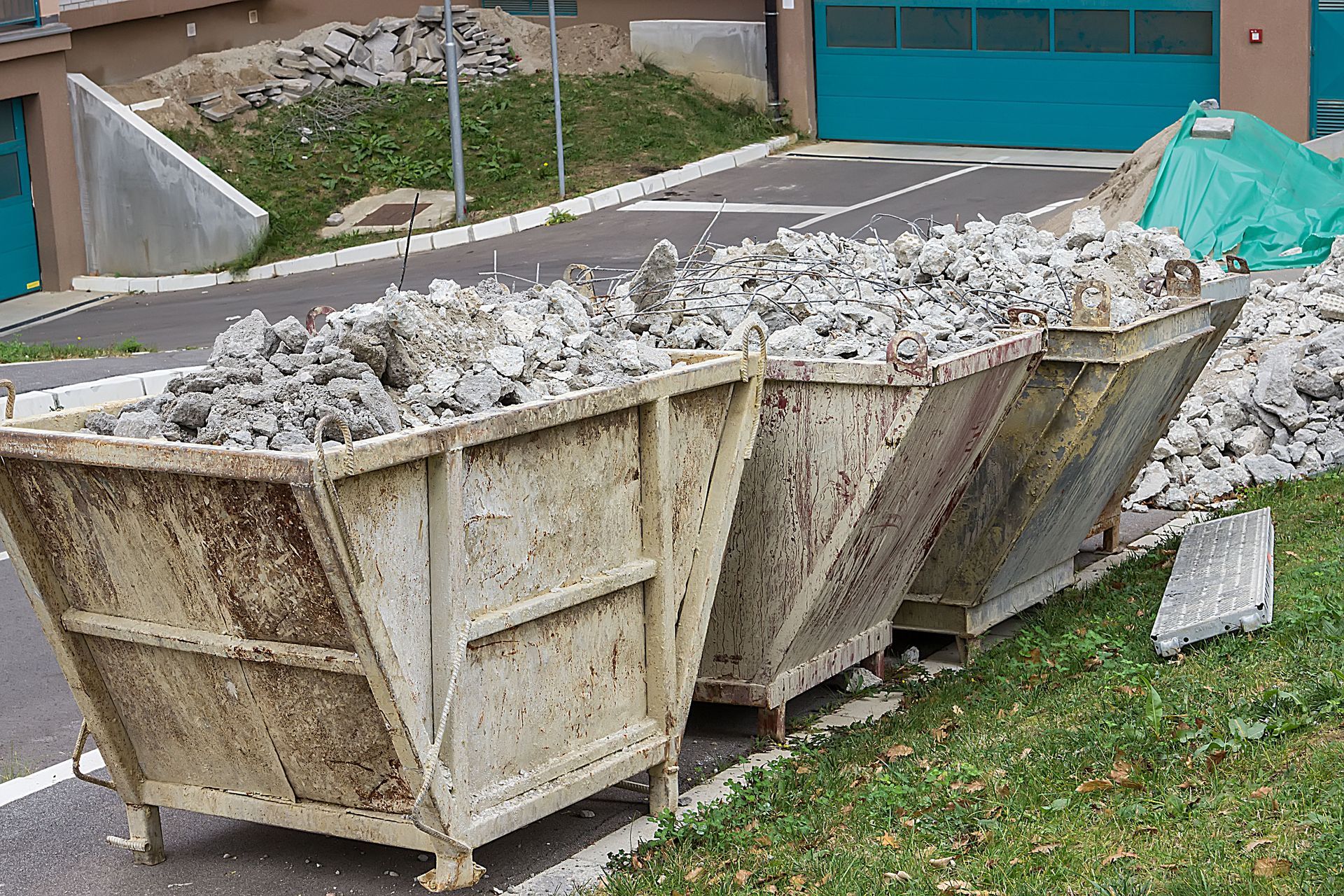
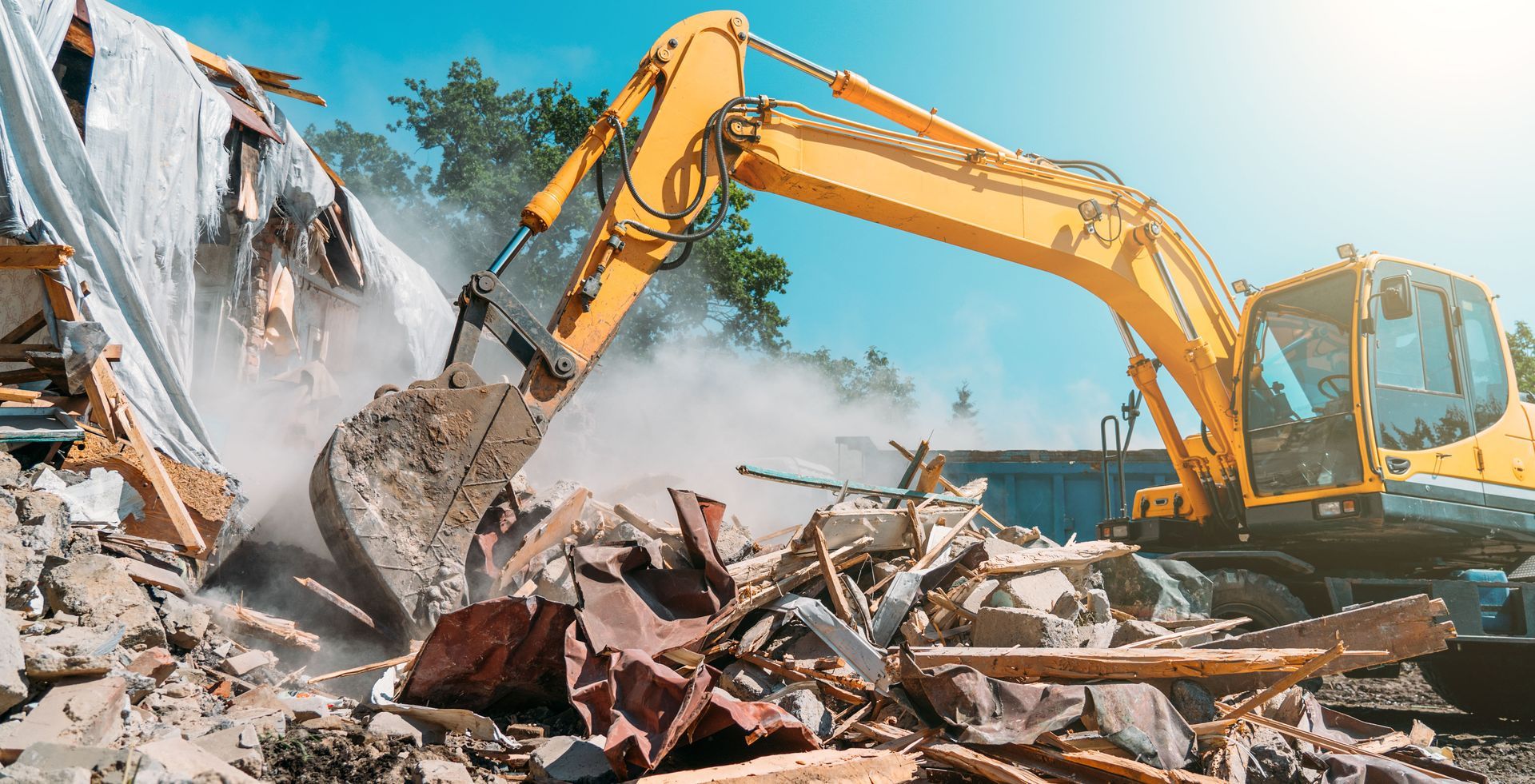
One of the biggest drivers for recycling concrete is the staggering amount of waste produced by the construction and demolition industry. According to The Constructor, waste from construction and demolition activities makes up 40% of the world's total waste. By recycling concrete, we can substantially decrease this figure while simultaneously conserving landfill space and reducing the environmental impact associated with new concrete production. This approach not only benefits the environment but also offers economic advantages by reducing disposal and material costs for construction companies.
Benefits
The practice of concrete recycling supports both sustainability and innovation in construction. As technology advances, the processes involved in recycling concrete become more efficient and cost-effective. Researchers continue to develop new methods for improving the quality of recycled concrete, making it a viable alternative even for high-strength applications. Furthermore, supportive legislation and awareness are crucial for promoting concrete recycling efforts, encouraging builders and developers to adopt sustainable practices.
Concrete recycling presents a compelling solution for reducing waste, conserving resources, and minimizing the environmental impact of construction activities. By understanding the processes and benefits associated with concrete recycling, industry stakeholders can make informed decisions that promote sustainability. As we move towards a greener future, embracing practices like concrete recycling will be key in addressing the challenges posed by the modern construction landscape.
Ready to make your next construction project more sustainable? Partner with Metropolitan Concrete Recycle to responsibly recycle your concrete waste and contribute to a cleaner, greener future for the industry.
Share On: